

How to Pay for Nursing Home Care
POSTED ON
Every day, families are overwhelmed and burdened by the reality of needing to find nursing home care for their loved ones. Making the decision to move isn't an easy one, and when faced with the costs of care, it can feel like an impossible barrier.
The good news is, there are several resources families can to turn to in order to cover the costs of nursing home care. We're going to dive into each of these options, and share resources that can help your family along the way.
Understanding Senior Living Options and their Costs
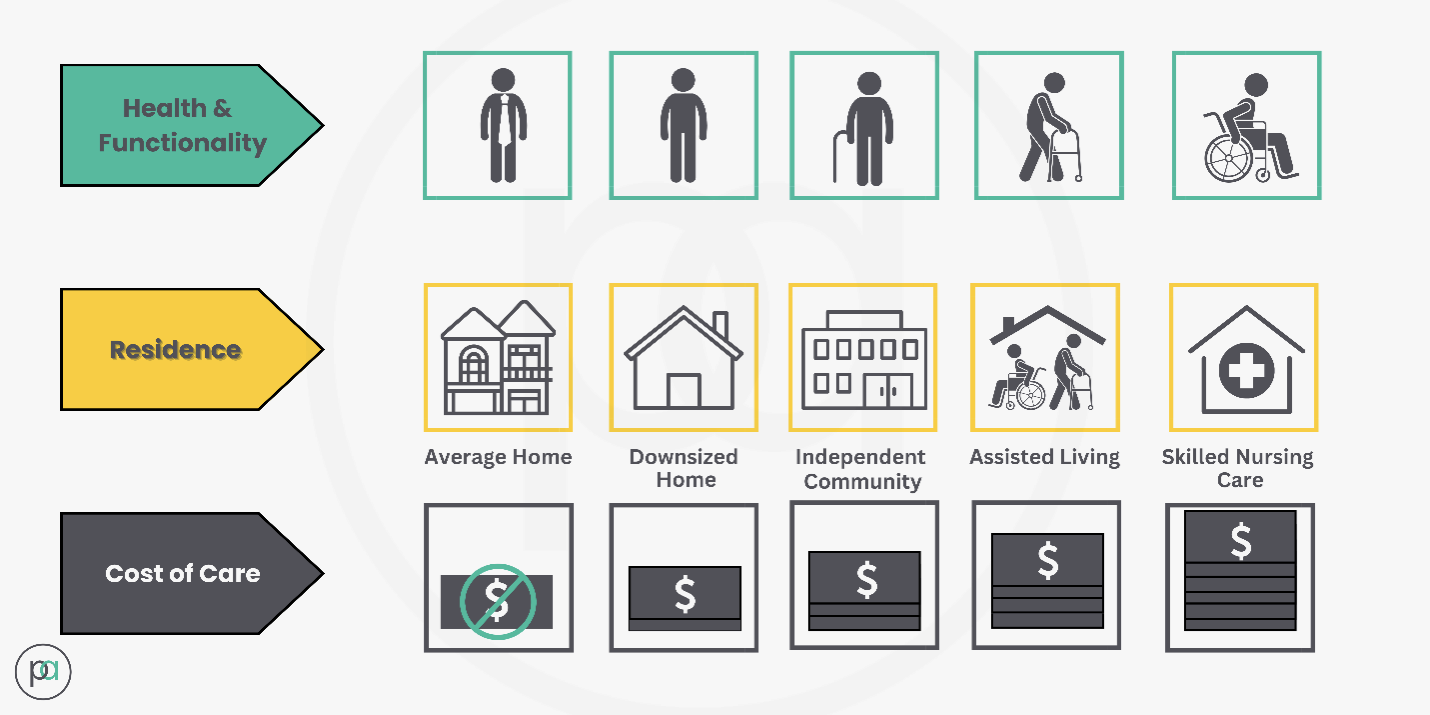
First, let's get a good understanding of the continuum of care, and the different services and costs associated with each.
Independent Living
Independent living is a private residence, such as an apartment, that residents live in when they are still active and want to enjoy a low-maintenance lifestyle. These communities typically have recreational amenities such as social events and fitness centers, and have access to dining services and housekeeping. Independent living is the least expensive option for seniors who want to live in a community setting, and the residents are generally responsible for their own care.
The cost for independent living varies based on location and the services offered. On average, seniors pay anywhere from a few thousand to upwards of ten thousand per month for an independent living apartment or residence.
Assisted Living
Assisted living is for residents who require more support than those in Independent Living. In these communities, residents receive assistance with activities of daily living such as bathing, dressing, toileting and medication management. Additionally, there are often social activities and recreational opportunities available to the residents, as well as transportation and meal services. The idea is that assisted living allows residents to continue their independence, but with more support and assistance as needed.
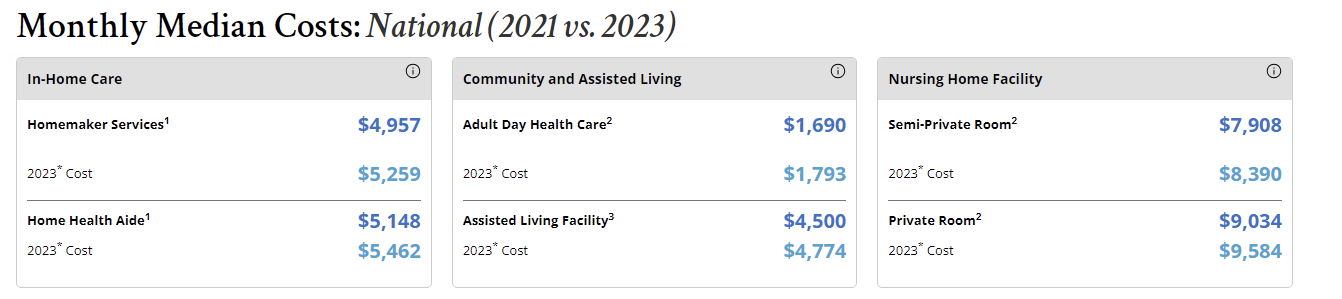
The average cost for assisted living ranges anywhere from $4,000-$10,000 per month, and the median cost for assisted living in the U.S. in 2023 is $4,774 per month.
Memory Care
Memory care communities are designed for individuals who have a diagnosis of dementia, Alzheimer's disease or other memory impairments. Residents living in memory care communities receive higher levels of care and supervision 24 hours a day, 7 days a week. These facilities are equipped to handle behaviors that can be associated with memory loss, and provide specialized activities and therapies to keep the residents stimulated and engaged. The cost for memory care ranges anywhere from $4 ,000 - $7,000 per month.
Skilled Nursing Care
Skilled nursing care is is the most intensive level of care for seniors. These facilities offer 24 hour medical and nursing care, as well as physical, occupational and speech therapies. This type of facility, also known as a nursing home, is typically recommended for individuals who require short-term rehabilitation or long-term care due to more complex medical needs.
These communities are staffed by medical professionals, and can offer services such as wound care, long-term care and in-patient rehabilitation.
Nursing home care comes at a steep cost, and can range anywhere from $8,000-$12,000 per month. The average cost of nursing home care varies depending on several factors, including the location and type of room. According to Genworth's cost of care survey, the national average for a private room in a nursing home is around $9,584 per month.
Many individuals pay for nursing home care using a combination of resources, such as personal savings, long-term care insurance, and assistance from federal programs like Medicaid and Veteran's Benefits. It is essential to plan ahead and consider options for financing nursing home care to ensure the appropriate level of support is available when needed.
Ways to Pay for Nursing Home Care
Many individuals pay for nursing home care using a combination of resources, such as personal savings, long-term care insurance, and assistance from federal programs like Medicaid and Veteran's Benefits. It is essential to plan ahead and consider options for financing nursing home care to ensure the appropriate level of support is available when needed.
There are several ways to pay for nursing home care, and it is important to explore all available options to ensure you can afford the care you need. Here are some ways to finance nursing home care.
Medicaid
Medicaid is a critical federal program that provides financial assistance to individuals with low income and limited assets, helping to cover the costs of nursing home care. Unlike Medicare coverage, which is primarily for short-term and acute medical care, Medicaid covers long-term nursing home care for eligible individuals. Although Medicaid coverage for nursing home care varies by state, it is a crucial resource for many individuals and families who cannot afford long-term care services on their own.
When Will Medicaid Pay for Nursing Home Care?
To qualify for Medicaid coverage of nursing home expenses, specific conditions must be met. First, the individual must require a level of care that can only be provided in a nursing home facility. This includes assistance with daily living activities, such as bathing, dressing, toileting and eating. Second, the individual must meet the income and asset eligibility requirements established by their state's Medicaid program.
The eligibility requirements for Medicaid coverage of nursing home expenses vary by state, but most consider an individual's income and assets. Both of these limits can be found on your state's Medicaid program website.
It's important to note that Medicaid has a "look-back" period to examine an individual's financial transactions for the past five years. If any assets were gifted, transferred or sold below fair market value during this period, a penalty period may be imposed, which delays Medicaid coverage. This is why we highly recommend consulting with an elder law attorney prior to applying for Medicaid coverage.
Asset Protection Planning for Medicaid
If your loved one does not immediately qualify for Medicaid coverage, do not lose hope. By working with an elder law or estate planning attorney, it is possible to preserve your loved one's assets and qualify for Medicaid benefit coverage through asset protection planning.
Asset protection planning for Medicaid involves strategically managing one's finances to qualify for Medicaid coverage while protecting assets. This can help individuals ensure that their hard-earned assets are not depleted in paying for nursing home care.
One strategy in asset protection planning is the use of trusts. Irrevocable trusts can be utilized to transfer assets while still maintaining some level of control. Assets placed in these trusts are no longer owned by the individual, thus reducing countable assets for Medicaid eligibility purposes. However, it's crucial to consult with an experienced attorney to create a trust that complies with Medicaid rules. We recommend meeting with an elder law or estate planning attorney at least five years in advance of needing Medicaid coverage to ensure best possible results.
Another technique used in asset protection planning is a form of gifting. Transferring assets to loved ones, within the limits allowed by Medicaid, reduces the applicant's countable assets to meet eligibility requirements. It's important to note that there is a Medicaid "look-back" period to prevent individuals from transferring assets solely to qualify for coverage. Again, we recommend working with an estate and elder law attorney to ensure you're utilizing this technique correctly.
Annuities can also be employed in asset protection planning. By converting excess assets into an income stream, individuals may be able to meet Medicaid income requirements while preserving some level of financial security.
It's vital to remember that asset protection planning for Medicaid should be done carefully and with professional guidance. Medicaid rules and regulations are complex, and any missteps can result in penalties. Seeking the assistance of an elder law attorney can help individuals navigate the process and protect their assets while qualifying for much-needed nursing home care through the Medicaid program.
Long-term Care Insurance
Long-term care insurance is a valuable tool that can provide financial assistance for nursing home care. This type of insurance is designed to help cover the costs associated with long-term care services, including those provided in nursing homes, assisted living facilities, and adult day care centers.
What Is Long-Term Care Insurance?
Long-term care insurance is a financial product designed to help individuals cover the costs associated with senior care. With the cost of nursing home care and other long-term care services increasing, having long-term care insurance can be a smart move for planning and paying for this type of care.
Long-term care insurance policies can provide coverage for a range of services, including nursing home care, assisted living, and in-home care. This type of insurance helps protect an individual's financial assets by covering the costs that are not typically covered by health insurance, Medicare, or other public programs.
There are different types of long-term care insurance products available. Traditional long-term care insurance offers coverage for long-term care expenses and typically pays a set amount per day for a set number of years. Hybrid plans combine long-term care insurance with a life insurance policy or annuity, providing a death benefit if the long-term care benefits are not used. Newer products may include coinsurance and deductibles, allowing individuals to customize their coverage based on their specific needs and financial situation.
Benefits of Long-Term Care Insurance
Long-term care insurance offers numerous benefits when it comes to paying for nursing home care. One of the key advantages is the freedom of choice that this insurance provides. For example, long-term care insurance allows individuals to have more control over their care options. They can choose the nursing home that best meets their needs and preferences, rather than being limited to the facilities covered by Medicaid or other programs.
Another benefit is the flexibility in coverage and payment options. Long-term care insurance policies typically offer monthly payments that can range from $2,000 to $10,000. This ensures that individuals have the financial means to afford the care they need.
Additionally, inflation protection can be included in long-term care insurance policies. This feature protects policyholders against the rising costs of nursing home care due to market changes over time. It ensures that the coverage amount keeps pace with the increasing costs, providing individuals with peace of mind and financial security.
It's important to note that eligibility criteria may vary depending on the insurance provider and policy. Generally, individuals must meet certain health requirements and purchase the insurance before they need long-term care. Therefore, planning ahead and obtaining long-term care insurance early can help secure coverage and ensure financial stability for nursing home care.
How Much Does Long-Term Care Insurance Cost?
The cost of long-term care insurance can vary based on several factors. These factors include the individual's age, health, and the type of policy they choose.
Age is an important consideration when determining premiums for long-term care insurance. Generally, the younger an individual is when they purchase a policy, the lower their premiums will be. This is because younger individuals are considered to be at a lower risk of needing long-term care services in the near future. On the other hand, older individuals may be subject to higher premiums as they are more likely to require care sooner.
Health also plays a role in determining the cost of long-term care insurance. Insurance companies typically assess an individual's health during the underwriting process. If an individual has pre-existing health conditions or a high risk of developing certain medical issues, they may face higher premiums to reflect the increased likelihood of needing long-term care.
The type of policy chosen can also impact the cost of long-term care insurance. Traditional insurance policies offer a comprehensive coverage option that focuses solely on long-term care services. Hybrid plans combine long-term care insurance with life insurance or annuity products. Newer options may include coinsurance and deductibles, which can affect the cost of premiums.
Eligibility Requirements for Long-Term Care Insurance Payouts
Eligibility requirements play a crucial role when it comes to long-term care insurance. To receive payments for nursing home care or assisted living, individuals must meet specific criteria. One of the main requirements is the need for assistance in at least two activities of daily living (ADLs). ADLs include tasks such as eating, bathing, dressing, using the bathroom, transferring, and maintaining continence.
In addition to the ADL requirement, individuals must also provide a doctor's statement as part of their claim for long-term care insurance. This statement confirms the need for assistance in ADLs and helps determine the level of care needed. It is essential to note that each insurance company may have slightly different eligibility criteria, so it's crucial to review the specific policy for accurate and up-to-date information.
It is always advisable to consult an insurance professional or agent to understand the eligibility requirements fully and choose the policy that best suits the individual's needs.
VA benefits
One potential option for paying for nursing home care is through VA benefits. The Department of Veterans Affairs (VA) provides a range of benefits and services to eligible veterans, including long-term care. These benefits can help alleviate the financial burden of nursing home care and provide support for veterans and their families. However, it is important for individuals to understand the eligibility requirements and application process to take advantage of these benefits. In this article, we will explore the different VA benefits available for nursing home care and provide guidance on how to apply for them.
VA Aid & Attendance
VA Aid & Attendance is a valuable pension program provided by the U.S. Department of Veterans Affairs (VA) that offers financial assistance to eligible veterans and their spouses in need of long-term care. It can help cover the costs of extra services in assisted living facilities.
Under VA Aid & Attendance in 2023, eligible single veterans can receive up to $2,229 per month, while surviving spouses can receive up to $1,432 per month. For veterans who are married, the maximum monthly payment is $2,642.
This pension program is specifically designed to provide financial assistance to veterans and their spouses who require assistance with daily living activities or who are housebound due to disability. The monthly payment amounts offered can go a long way in helping to cover the costs associated with long-term care, including assisted living expenses.
Private Pay Options for Nursing Home Care
When it comes to paying for nursing home care, private pay options are often utilized. Personal savings are a common source of payment, allowing individuals to use their own funds to cover the costs of long-term care services. Many retirees also rely on their monthly pension payments or retirement income to finance the expenses associated with living in a nursing home.
Additionally, there are tax breaks available for utilizing retirement income to pay for nursing home care. Some retirement income sources, such as IRA distributions, may be eligible for certain deductions or exemptions, providing potential financial benefits for individuals needing long-term care.
While private pay options such as personal savings, pensions, retirement income, and tax breaks can help cover the costs of nursing home care, it's also important to explore other avenues for financial assistance as the cost of care is steep.
https://www.genworth.com/aging-and-you/finances/cost-of-care.html
Talk with an Elder Law Attorney, Financial Planner & Senior Living Advisor
Navigating long-term care is one of the many reasons we recommend building a team of professionals who can advise and guide you through this chapter of life.
When it comes to paying for nursing home care -- an elder law attorney, a financial planner and a senior living advisor are excellent resources to have on your side. They can work together as a team to protect assets, strategize ways to pay for care, and find the best senior living option for you or your loved ones.
If you wanted vetted, experienced professionals that you can trust, let us connect you with our partners in aging by scheduling your free consultation today.