

A Guide to Paying for Nursing Home Care: Options and Resources
POSTED ON
As nursing home care costs continue to rise, many families find themselves facing an increasingly challenging financial burden. The expenses associated with long-term care can quickly add up, making it crucial for individuals and families to be proactive in planning for these future costs. Without proper preparation, the financial strain of nursing home care can become overwhelming, potentially jeopardizing both the quality of care and financial stability.
Understanding the rising costs and the various factors that contribute to them is the first step in effective planning. Factors such as geographic location, the type of care required, and even the length of stay can significantly impact the overall expenses. As these costs are expected to continue increasing in the coming years, having a well-thought-out plan in place is more important than ever.
This guide aims to provide a comprehensive overview of how to manage the financial aspects of nursing home care. We will explore a variety of strategies, from using personal savings and leveraging insurance options to tapping into government assistance programs and considering alternative financing solutions. By gaining a deeper understanding of these options, you can make informed decisions that will help secure the necessary funds for high-quality long-term care while safeguarding your financial future.
Understanding Nursing Home Costs
Average Costs of a Nursing Home
Nursing home care costs vary significantly across the U.S., primarily depending on whether the room is private or semi-private. A private room typically costs around $8,000 per month, while a semi-private room averages approximately $7,000 per month.
There's a noticeable alternative to consider for those who need less intensive care—an assisted living facility. Generally, these institutions have lower costs, averaging about $5,300 per month. However, there are significant regional disparities when it comes to nursing facility expenses.
Some states, such as Connecticut and California, can require you to pay over $13,000 per month, while others, like Texas and Missouri, may cost less than $7,000. These discrepancies underline the importance of considering your geographic location when planning the costs of nursing facilities.
Factors Affecting Nursing Home Costs
Several factors can affect the cost of nursing homes. Urban areas, known for their higher cost of daily living, usually have more expensive nursing facilities compared to rural regions. The type of care provided also plays a substantial role. More intensive care and specialized services can hike the costs significantly. Facility amenities, such as luxurious features and private rooms, can also make a difference.
Stay duration is an additional factor to consider. Short-term stays might be more expensive on a day-to-day basis compared to a longer, more settled residence. Moreover, eldercare facilities are obliged to comply with state and federal regulations, including maintaining certified staff, meeting safety standards, and undergoing regular facility inspections. While compliance with these regulations ensures quality care, they can contribute to higher overall costs for nursing home services.
Future Trends in Nursing Home Costs
Future trends indicate that nursing home costs will likely continue to rise due to inflation, growing demand for long-term care, and an aging population. Advances in medical technology and workforce shortages in the healthcare sector may further drive up expenses. These factors highlight the importance of planning ahead for potential increases in nursing home care costs.
In addition to rising costs, the future of nursing home care may see a shift toward more specialized services and personalized care, which could further influence pricing. As more facilities focus on tailoring care to individual needs and preferences, the cost of these customized services may increase. It's essential for families to stay informed about these trends to make well-rounded financial plans for long-term care.
Personal Savings and Assets
1. Retirement Income
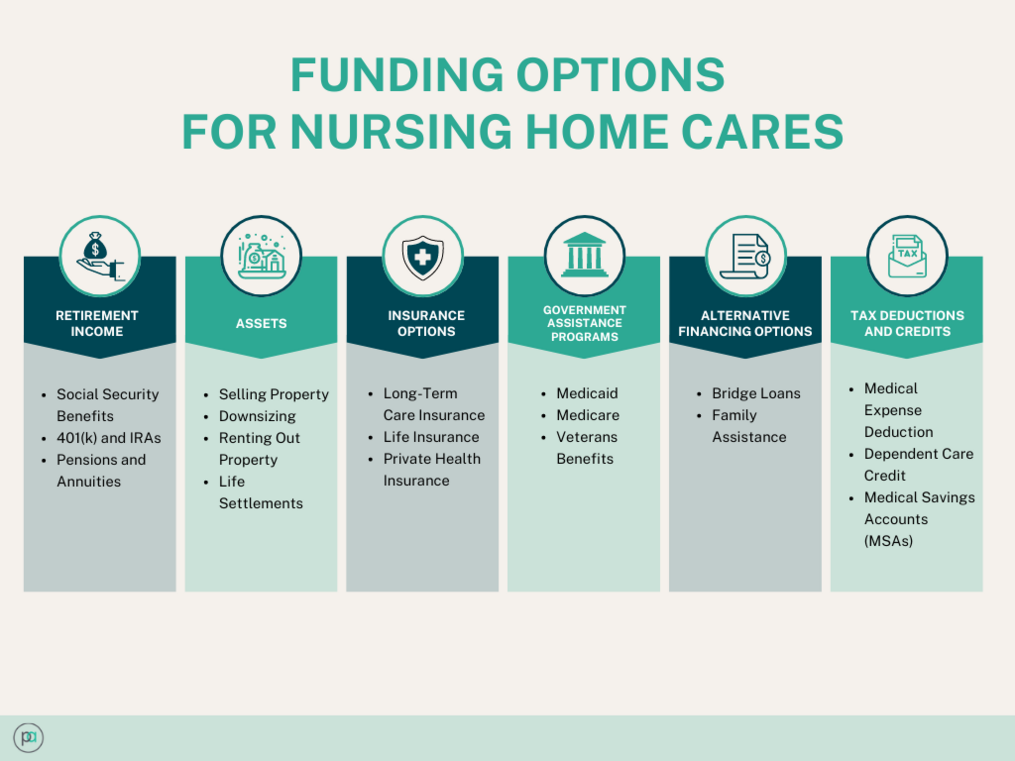
Securing funds for nursing homes can come from various avenues, with one significant source being retirement income. Often, Social Security benefits form a primary source of such income. Employer-sponsored retirement plans like 401(k)s also serve as an excellent reservoir to fund care at a nursing facility. In addition, Individual Retirement Accounts (IRAs) provide another way to fund nursing care.
Pension payments from previous employers, for example, can provide a steady income stream to help facilitate nursing home expenses. However, understanding the terms and conditions regarding the pension plan becomes crucial to avoid potential penalties or withdrawal limit issues. Similarly, annuities can offer a reliable income stream tailored to meet nursing home costs. Purchased primarily from insurance companies, these financial products convert a lump-sum investment into regular payments for a certain period or the annuitant's lifetime.
2. Assets
Sometimes selling one's assets can provide the necessary funds for nursing facility expenses. The sale of a home, for instance, could provide substantial funds. Downsizing or relocating to a less costly living arrangement can also help free up additional resources. Liquidating non-essential personal assets, such as vehicles or collectibles, can also generate quick cash.
Creating a retirement rent fund by renting out a property instead of selling it may be another advantageous strategy, providing a steady income stream to cover nursing home care and maintaining the property's potential for appreciation. Considering a life settlement could also be beneficial. This approach involves selling the life insurance policy to a third-party investor and providing a lump sum that can pay for immediate nursing homes. The lump sum is usually higher than the cash surrender value but less than the death benefit.
3. Personal Savings
Personal savings often play a crucial role in funding nursing home care, especially when other income sources are insufficient. Having a well-established savings account or a dedicated fund set aside for long-term care can provide significant peace of mind, ensuring that the necessary resources are available when needed. It's essential to start saving early and consistently to build a robust financial cushion that can cover the substantial costs associated with nursing homes.
In addition to traditional savings, considering more liquid savings vehicles, such as money market accounts or certificates of deposit (CDs), can offer both safety and accessibility. These options allow for quick access to funds with minimal risk, making them ideal for covering unexpected nursing home expenses. Regularly reviewing and adjusting savings strategies based on current and future financial needs can help ensure that personal savings remain a reliable resource for long-term care.
What Are the Insurance Options for Nursing Care?
1. Long-Term Care Insurance
Long-term care insurance policies are specifically designed to cover services, including nursing care. Premium costs for these policies can vary substantially based on your age, overall health, and the coverage amount you select.
One of the significant advantages of this type of insurance is its extensive coverage, which can protect independent savings from being depleted by nursing facility costs. However, it's worth noting that the premiums might be high, and applicants may require good health to qualify for coverage. It is advisable to consider purchasing long-term insurance at an earlier age to benefit from lower premium rates.
2. Life Insurance
Certain life insurance policies can provide provisions for long-term care funding. These might include accelerated death benefits, which allow policyholders to access a portion of their policy’s value while they're still alive. Other options include taking out policy loans or cashing in the policy.
However, it's essential to understand the potential impact on beneficiaries and the death benefits should you choose these options. Like we mentioned above, a life settlement might be another option to consider, where you sell your life insurance policy to a third party for a lump-sum payment. This payment is usually higher than the cash surrender value but less than the death benefit, providing an immediate source of funding for nursing homes.
3. Private Health Insurance
Typically, private health insurance plans provide limited coverage for nursing facility care. They may cover short-term rehabilitation stays, but long-term care is usually not included. Be sure to carefully review your policy details to understand the extent of coverage provided. It's also worth noting that many insurance policies require pre-authorization for nursing facility care, so you should contact your insurance provider to obtain the necessary approvals before admission to avoid denied claims.
Additionally, be aware that private health program policies often cap the number of days they cover nursing home costs. Familiarize yourself with these limits to plan for any potential out-of-pocket costs once the coverage period ends. Most importantly, having health insurance does not eliminate the need for careful scrutiny of your policy. The ins and outs of how it addresses long-term care situations and covers associated costs might surprise you.
Some individuals may opt to supplement their existing health insurance plans with specific long-term insurance or, alternatively, life insurance with provisions for long-term care funding. Be prepared to delve deep into policy specifics to make informed decisions to secure your future.
What Are the Government Assistance Programs?
1. Medicaid
It’s a good thing that nursing homes accept Medicaid. Medicaid services are a useful resource for limited-income individuals, providing comprehensive coverage for nursing home residents. Its eligibility depends on income levels and asset limits, which vary from state to state. Most applicants must go through a financial spend-down process to qualify. It is possible to protect assets and qualify for benefits to cover the cost of care and avoid spend down if you begin planning early.
An essential detail to note is the Medicaid Estate Recovery Program (MERP) provision. Under this stipulation, states are legally obliged to recover payments made toward nursing homes from the estates of deceased Medicaid recipients. This estate can include a decedent's home and other assets. However, some exceptions or protections might be available for surviving spouses and other dependents.
2. Medicare
Conversely, Medicare offers only limited coverage for nursing homes. It typically covers up to 100 days of skilled nursing facility care, but only after a minimum hospital stay of at least three consecutive days. Long-term custodial care generally does not come under its purview.
Coverage extends only to facilities that meet specific, certified Medicare standards. Ensuring that the nursing facility falls under the Medicare-approved list is vital to receiving benefits. Moreover, after discharge from the hospital, admission to the nursing facility within 30 days is required to obtain Medicare benefits.
3. Veterans Benefits
Aside from these, veterans benefits offered by the Department of Veterans Affairs (VA) also provide considerable help. One noteworthy scheme is the VA Aid and Attendance Benefit, which is instrumental in covering nursing facility costs. For eligibility, veterans must meet certain service requirements, coupled with income and asset limits. Veterans can apply for these benefits online, by phone, or by walking into their local VA office.
Continuing the exploration of various funding means, we arrive at the prospects offered by alternative government assistance programs. Each offers unique benefits that can lighten the financial burden associated with extended medical care.
4. State Assistance Programs
State assistance programs are a valuable resource to consider. These programs, varying greatly across states, could include subsidies, grants, and low-interest loans specified for elder care. Research your specific state's offerings to fully understand the potential advantages available to you.
For instance, some states offer long-term care partnership programs. These allow people who purchase approved long-term care insurance policies to safeguard a portion of their assets. This would typically be countable under Medicaid. This approach can help individuals qualify for Medicaid assistance without becoming completely destitute.
Another useful resource is the State Health Insurance Assistance Programs (SHIPs). These programs provide free counseling and assistance for seniors navigating their health insurance options, including coverage for nursing home care. SHIPs can help individuals understand their eligibility for various programs and make informed decisions about their long-term care needs.
5. Non-Profit Organizations
Numerous non-profit organizations dedicate financial assistance and support to elders requiring nursing home facilities. They aim to reduce the economic strain on families through their community-based services. Take note of local organizations in your vicinity that provide such assistance.
6. Community-Based Services
Community-based services can be a lifeline for families needing help. These organizations often offer meal delivery, home health services, and adult daycare programs. Their aim is to keep senior citizens in familiar environments for as long as possible, thereby potentially delaying or even preventing the need for more expensive nursing facilities.
What Are the Alternative Financing Options?
1. Bridge Loans: Short-term financial solutions designed to offer immediate funds to pay for nursing home care. Often, these loans prove beneficial while waiting for approval from other funding sources. They typically require collateral and may carry high interest rates.
Repayment terms for bridge loans tend to be flexible to match timing with other expected funds, like proceeds from home sales or Medicaid eligibility. However, eligibility requirements and criteria often dictate that these loans are only available to those with good credit scores and verifiable income sources, which ensures loan repayment reliability.
2. Family Assistance: Valuable pillars of support by pooling resources to assist with nursing facility expenses. To keep matters organized and expectations clear, it's often beneficial to create a formal agreement outlining everyone's contributions and responsibilities.
Open and honest communication can help prevent future conflicts, ensuring a smooth transition for the loved one requiring care. Use tools and apps designed for managing shared expenses to maintain transparency, track costs, and ensure everyone is informed and involved.
3. Legal and Financial Considerations: When planning for nursing home care costs, it can be important to consult professionals. Elder law attorneys can provide advice on planning and protecting assets, while financial advisors can help maximize investments and insurance claims.
For instance, Medicaid Asset Protection Trusts (MAPTs) often require the expertise of an elder law attorney to explain, set up, and manage, but they can help individuals protect their assets while qualifying for Medicaid. When considering estate planning strategies, it's critical to ensure that documents like wills, trusts, and power of attorney designations are updated and accurately reflect the current wishes of the individual.
What Are the Tax Deductions and Credits?
1. Potential Tax Benefits: Expenses related to nursing home care may qualify as tax-deductible medical costs. To be eligible, these expenses must exceed a specified percentage of your adjusted gross income (AGI). It’s crucial to keep detailed records of all related expenses for tax purposes.
The Dependent Care Credit is a substantial credit that is worth exploring. This applies if you are shouldering the costs of nursing home care for a dependent, such as a spouse or parent, to enable you to work or look for work.
Consider Medical Savings Accounts (MSAs) as well. Contributions to an MSA can be tax-deductible, and funds can be used to cover nursing home costs. Establishing an MSA could be an effective part of your tax planning strategy to maximize potential deductions related to caregiving expenses.
2. Medical Expense Deduction: Lodging, meals, and necessary medical care services are some examples of eligible expenses. To claim the deduction, using Schedule A of IRS Form 1040 is recommended. Always consult a tax professional to ensure all eligible expenses are included and correctly reported.
Out-of-pocket expenses for extended care not reimbursed by insurance may also be deductible. To meet the criteria for deductibility, ensure the care services primarily cater to the alleviation or prevention of a physical or mental disability or illness.
Navigating the Costs of Nursing Home Care
Navigating the costs of nursing home care involves understanding various options and resources to ensure the best possible care for your loved ones. From private pay options and insurance benefits to government assistance programs, each method offers different advantages depending on your financial situation. Consider all available resources, including skilled care and covered services, to create a plan that meets your needs.
It's essential to explore how skilled nursing facilities can provide the necessary care while balancing the financial impact. Assessing options such as private pay and out-of-pocket expenses can help manage costs effectively, and consulting with financial advisors or elder law attorneys may offer additional strategies. Family members should also be involved in planning to ensure a comprehensive approach to funding long-term care.